What makes the luxury online shopping experience different during the holiday season?
Holiday luxury shopping refers to the behaviours and expectations customers bring to premium online purchases during the festive season.
It focuses on emotion, aspiration, and the feeling of owning something special. This already sets it apart from mainstream shopping, but the gap widens once the holiday season begins.
It matters because customer expectations rise significantly during this period, and the quality of the digital experience becomes a deciding factor.
Why do the holidays change the behaviour
People shop with more intention in December. They’re choosing gifts that feel right for the moment. The product matters, but the process needs to feel well considered. Customers want reassurance that the brand understands what “premium” should feel like.
The Four Drivers of Luxury Holiday Shopping
Luxury customers make decisions differently during the festive period. Their behaviour is shaped by four core drivers that appear consistently across luxury categories:
- Exclusivity– Limited access, scarcity signals, and members-only moments.
- Personalisation– Tailored recommendations, curated paths, and guided navigation.
- Service Quality– Concierge support, expert advice, and reassurance at key moments.
- Presentation– Packaging, storytelling, visuals, and the overall sense of craft.
What holiday luxury buyers care about
You will see three needs rise sharply during the festive period:
- Experience –A journey that feels smooth, elegant, and well thought out.
- Personalisation –Clear guidance that helps shoppers find the right gift fast.
- Exclusivity –A sense that the item or the access is limited and worth the investment.
Customers aren’t comparing prices. They are comparing how the interaction makes them feel.
Expectations rise along with demand
Holiday pressure changes browsing behaviour. People have less time and a higher urgency. Holiday shoppers become more sensitive to details such as:
- Page structure
- Visual quality
- Tone of copy
- Clarity in navigation
- Confidence in delivery
If something feels off, even slightly, it weakens the sense of luxury.
How luxury gifting behaviour changes during the holidays
Shoppers expect the purchase and delivery to reflect premium standards. They expect presentation and packaging to match the brand’s luxury positioning, and they want the process leading up to it to feel just as good. During the holiday period, this mindset becomes even stronger, shaping how people navigate the site.
Luxury Customers Demand a Higher Standard
Luxury shoppers don’t browse in the same way as everyone else. They arrive with a picture already in their mind of how a premium brand should behave online. If the experience doesn’t match that picture, the trust starts to slip pretty quickly.
Expectations start from the moment the site loads
A luxury customer judges the digital space almost instantly. The layout, the spacing, the way images are handled, even the tone of the product descriptions… all of these pieces feed into what they believe the brand stands for. When something looks off, it sends the wrong signal. It might be just a slow page or an awkward bit of navigation, but small things take on more weight when the product carries a higher price.
Luxury customers pay closer attention to visual and structural details than mainstream shoppers. They notice differences in colour, styling, photography quality, and whether the design feels intentional or thrown together.
The holidays put more pressure on the journey
December changes how people shop. Everything has a deadline. They’re choosing gifts that matter to someone, and they want the process to feel smooth so they can focus on the decision rather than the site.
Stress pushes expectations up. If the homepage hesitates for a second, or if a filter doesn’t behave properly, it weakens the premium feel. People don’t want to wrestle with a menu when they’re trying to get through a long gift list.
Details that affect how the brand is perceived
A handful of elements shape the experience more than most teams realise:
- Page speed— A delay makes the whole brand feel slightly less refined.
- Image quality—Strong, sharp visuals reassure customers.
- Tone of the copy— Confident wording feels premium without having to say it outright.
- Checkout experience— If customers have to stop and think too much, the moment is lost.
These details either add polish or expose cracks. In luxury, they matter more because the customer links the digital experience with the standard of the product itself.
Holiday shoppers have little time and even less patience. When everything works cleanly, the brand feels composed and trustworthy. When it doesn’t, the price tag becomes harder to justify.
Exclusivity Becomes a Core Holiday Differentiator
Exclusivity already sits at the heart of luxury, but it takes on a different weight once the holidays arrive. The season changes how people shop. They’re not just buying for themselves. They’re picking gifts that are supposed to feel thoughtful and, ideally, a bit rare. When something is hard to get, it suddenly feels more meaningful.
Why exclusivity hits harder during the holidays
Holiday purchases are emotional. A limited release instantly feels more deliberate, and buyers like knowing they’ve chosen something that isn’t everywhere. It’s not about being flashy. It’s the sense of giving (or receiving) something with a little story behind it.
The pressure of the season plays into this, too. When everyone is shopping at the same time, anything that feels “reserved” or “early access” stands out more than it would in a calmer month.
How brands build exclusivity into their holiday offering
Different brands approach this in different ways, but the pattern is clear. They introduce seasonal touches or constraints that shift perception. Here are several tactics that show up frequently:
- Limited-run colours or materials
- One-off collaborations released only in December
- Seasonal packaging that looks collectable
- Tiered access, where loyal customers get first pick
- Products that aren’t restocked once they sell out
- Small-batch items with individual numbering
- Hidden product pages shared only with selected customers
Mixing several of these creates a stronger effect than relying on a single idea.
Digital exclusivity in practice
Online exclusivity isn’t just a message. It’s built into the experience. A few examples:
Examples of Digital Exclusivity
- Gated previews– Early access for selected customers to reinforce privilege.
- Invite-only shopping windows– Reduce competition and signal elevated status.
- VIP access portals– Mimic the privacy of an in-store private appointment.
- Private livestreams– Makes launches feel intimate and controlled.
Small details like countdown timers, personalised invitations, or even limited-stock indicators can further push the perception, but they need to feel intentional rather than gimmicky.
Personalisation Intensifies During the Holiday Period
Luxury shoppers typically place greater weight on presentation and experience than mainstream buyers.
During the holidays, it becomes something customers expect as standard. The volume of choice is huge, time is short, and buyers want some form of guidance without feeling pushed.
Why personalisation shifts from optional to essential
Holiday shopping isn’t just about finding a product. It’s about finding the right product for someone else. That’s where the pressure comes in. People look for subtle signals that help them filter the catalogue quickly. When a site steps in with recommendations that actually make sense, it helps people move through the site without getting stuck.
Luxury buyers value this more than most. They want the impression that the brand has paid attention, not in a generic “recommended for you” way, but in a way that feels relevant to the occasion.
What luxury customers now expect
A few years ago, a simple “you might also like” panel was enough. Not anymore. Luxury shoppers look for:
- Product suggestions that match style, material, or even gifting purpose
- Navigation that adapts as they browse
- Clear distinctions between options for different types of recipients
- Hint-based search tools, when they’re unsure where to begin
They expect the site to offer helpful guidance without overwhelming them.
Holiday-specific tools that make a difference
Brands often introduce temporary features to support overwhelmed shoppers. Some work better than others, but they all aim to simplify decision-making.
| Feature | Why it matters during holidays |
| Gift finders | Helps people who don’t know where to start |
| Curated shopping paths | Reduces browsing time and keeps focus tight |
| Seasonal categories | Makes styling themes easier to compare |
| Audience-based messaging | Offers tone variations for different types of buyers |
These tools give structure when the catalogue feels too big. They act like a shortcut to the “good options”.
The role of data in reducing decision fatigue
Holiday shopping overload is real. Too many tabs, too many choices, too little time. Good personalisation trims that noise. Data-driven systems notice small patterns, such as items viewed, materials clicked, and price ranges hovered over, and adjust the experience quietly in the background.
Done well, it saves the shopper from feeling lost. Done poorly, it feels intrusive. Luxury customers are sensitive to that difference, so subtlety matters far more than volume.
As the season gets busier, personalisation becomes the tool that keeps the experience calm and clear. It turns a potentially stressful process into one that feels guided without being controlled.
Holiday Storytelling Creates Emotional Immersion
Storytelling plays a bigger role in luxury than most people realise. It shapes how the brand is understood, not just how the product looks. And when the holidays roll in, the emotional side of things gets louder. Luxury customers look for storytelling that highlights heritage, craft, or exclusivity, even if they don’t say it out loud.
Image Credit: Screenshot from Burberry homepage
How storytelling shapes luxury perception
A luxury product doesn’t stand on its own. It’s tied to heritage, the maker’s skill, the rarity of the materials, and the mood the brand wants to create. Storytelling brings those elements forward. Without it, the product is just another item on a page.
Holiday campaigns tend to bring out the softer angles. A bit more history. A slower pace. A focus on what makes the brand distinct rather than what makes the product functional.
How luxury brands adapt their campaigns for the holiday season
You’ll notice a few shifts once December starts to appear. Some subtle, some not so subtle:
- Visuals feel warmer and more atmospheric
- References to traditional pop up more often
- The tone becomes calmer, more grounded
- Craftsmanship gets highlighted in almost every asset
- Imagery becomes more layered, sometimes bordering on cinematic
It’s not done for the sake of being festive. It enhances the customer’s perception of value.
The role of visuals, micro-interactions, and small details
Holiday storytelling relies heavily on details people experience rather than consciously notice. Transitions, animations, and micro-interactions help guide attention across key areas of the page. They build emotion without forcing it.
Cinematic visuals, especially those with depth or texture, can change how customers move through the site. Micro-interactions help too. A subtle hover effect or a soft animation can make the journey feel more crafted than coded.
Immersive landing pages and brand worlds
Some brands take a bigger leap. Instead of a standard landing page, they build a small world. You scroll through it rather than click through it. It feels curated, almost editorial, and the product becomes part of a larger moment.
This type of experience works well because it encourages customers to explore content more deeply, not with friction, but with interest. And when the customer slows down, the product’s value feels higher. It’s no longer an object sitting on a grid. It’s part of a story the shopper is being invited into.
Holiday storytelling, at its core, is about giving the customer a reason to care beyond utility. If the narrative lands, the whole experience gains a sense of meaning, and that’s what luxury thrives on.
Premium Gifting Services Become a Critical Experience Element
Holiday shoppers want the whole thing to feel thoughtful, and they expect brands to help create that feeling.

Image Credit: PEXELS
Elevated expectations come with the territory
When the price goes up, so does the pressure. Customers assume the gift will arrive looking the part. They don’t want to add anything to it. They want to hand it over exactly as it comes, knowing it will make the right impression. That’s why premium services stop being optional at this time of year.
The kinds of services customers look for
Luxury brands usually offer a wide mix of finishing touches. Some are simple, others more elaborate, but they all play into the sense of care:
- Custom or seasonal packaging
- Gift wrapping with brand-specific materials
- Monogramming or engraving
- Personal notes written by hand
- Ribbon styles that change each season
- Protective layers or keepsake boxes
- Optional add-ons like fragrance cards or small inserts
Customers expect these choices to be easy to find and easy to add. They’re not looking for a debate. They want something polished that feels like it came straight from a boutique.
The unboxing moment matters
A lot of luxury buyers view the unboxing as part of the product. If the packaging feels rushed or generic, the whole gift loses impact. The opposite is true as well. When the materials, textures, and presentation all line up with the brand’s identity, the value of the item feels higher before it’s even revealed.
This is where luxury brands tend to excel. The layers of tissue, the weight of the box, the colour choices… they create a small experience before the gift is even opened.
How social culture plays into it
Social media has changed expectations. People share unboxing moments without being asked, and luxury brands know it. A beautiful package can travel far online. It becomes part of the brand’s presence during the holiday season.
This has created a trend of more elaborate gift presentation. Not louder, just more considered. Everything needs to look intentional from the outside in because customers know someone, somewhere, will capture it.
Premium gifting services shape how the buyer feels, how the recipient feels, and sometimes even how the wider audience sees the brand.
Logistics and Delivery Expectations Increase Dramatically
Delivery is one area where luxury customers become far more demanding during the holidays. They want confidence that the fulfilment will match the standard of the product.
Higher operational pressure in luxury
Luxury fulfilment isn’t straightforward. It’s not enough to ship quickly. The whole operation has to look composed. Packaging can’t be rushed. Tracking needs to be accurate. Every step has to feel controlled. If anything slips, it reflects on the brand far more than it would for a mainstream retailer.
What customers look for around delivery
People want certainty at this time of year, and luxury shoppers tend to be even more precise about it. They expect:
- Clear delivery windowsthat the brand can actually keep
- Tracking updates that feel real rather than generic
- A sense that someone is paying attentionto their order
- Confidence that late-season orders will still arrive on time
They’re willing to pay more if it means less worry.
Same-day options and boutique-style handling
Some brands take things further with premium courier services or same-day delivery in select areas. These aren’t used by everyone, but the very fact that they exist reinforces the idea of a higher standard. In-store pickup can work the same way. When it’s handled properly, it feels more like a small appointment than a collection point.
A bit of human interaction also helps. A greeting, a prepared package waiting behind the counter, or even someone checking the order before handing it over… these small gestures matter.
Why reliability carries extra weight
Luxury customers link fulfilment directly to brand value. If the package arrives late or looks mishandled, the product feels less special. Even if the item itself is perfect, the moment has been diluted. On the other hand, when everything goes smoothly, trust strengthens, and the overall experience feels far more premium.
Concierge-Level Support Enhances the Digital Experience
Concierge-style support fills a gap that technology alone can’t cover. Luxury shoppers want the ease of online buying, but they also want the confidence that comes from speaking to someone who actually knows the products. When they’re choosing a holiday gift, that reassurance becomes a huge part of the experience.
How human support elevates luxury shopping
Here’s what human help brings that a perfect interface still can’t fully match:
- A sense of certainty
- Personal reassurancewhen someone is unsure
- Clarification on details that aren’t obvious from photos
- A calmer buying experience (especially when deadlines are tight)
The different people involved and what they usually handle
Instead of one “concierge” role, most brands rely on a blend of specialists. Each covers different moments in the customer’s decision-making:
- Live chat specialists— Quick checks: stock levels, size questions, delivery timing, packaging availability.
- Virtual stylists— Helping a shopper narrow down options when the range feels overwhelming.
- Product experts— Material details, craftsmanship background, differences between similar models.
- Short consultations— For shoppers who want advice before buying something important or personalised.
- Gifting advisors— Support when the buyer isn’t entirely sure what they’re looking for but knows who the gift is for.
These roles overlap, but that overlap is helpful. It means the customer doesn’t feel trapped in a rigid system.
How concierge support helps with holiday gifting
Holiday gifting is where the real pressure shows. Shoppers want the gift to land well, and many aren’t confident in their choices without a bit of guidance. Concierge services help by:
- Narrowing the choice to a manageable shortlist
- Checking lead times so gifts arrive when needed
- Suggesting personal touches like engraving or wrapping
- Confirming whether items complement each other for bundle gifting
- Offering alternatives when something is low in stock
- Reducing the second-guessing that often slows holiday purchases
All of this creates a smoother decision-making process. The buyer feels supported, not sold to.
Blending human and digital touchpoints
A strong luxury experience doesn’t make the customer think about whether they’re dealing with a person or a system. It simply feels seamless. You’ll often see a journey flow like this:
- A recommendation engine suggests a starting point
- A stylist refines the selection
- The customer browses on their own again
- A chat agent confirms delivery timings
- The final order goes through without friction
Nothing about this pattern is forced. It mirrors the choice shoppers have in a boutique: browse freely when they want, ask for help when they need it.
Concierge-level support gives online luxury shopping a sense of care that customers expect, especially during the holidays. It turns what could be a stressful decision into something more confident and considered.
Social Influence and Community Signals Drive Holiday Desire
Luxury buying is heavily shaped by what people see around them, and the holidays amplify that effect. When shoppers are unsure what to gift, they look at what others are choosing, praising, or posting. Social proof becomes a kind of shortcut.
How social proof shapes luxury behaviour
Holiday decisions often lean on cues rather than deep research. People pay attention to:
- What’s trending
- What others say is worth gifting
- How items look when someone else owns them
- Which products feel “approved” by the right communities
It’s subtle, but it has a real impact on what ends up in the basket.
The role of influencers, tastemakers, and guides
Different voices shape the luxury landscape in December, each in their own way:
- Influencers who showcase specific products in real settings
- Tastemakers who introduce more niche or cult pieces
- Curated gift guides that simplify choice for overwhelmed shoppers
- Stylists or editors who highlight combinations or seasonal picks
- Trusted creators who focus on craftsmanship or rarity
- Collectors who influence demand for limited-edition releases
Most buyers won’t follow all these groups, but even a single recommendation can nudge someone’s decision.
How social media increases desirability
The platforms themselves add momentum. You see:
- Videos showcasing the opening experience
- Lifestyle poststhat place the product in an aspirational setting
- Short clipsshowing textures, finishes, or details you’d never see in static shots
- Photos shared by everyday customers, which often feel more convincing than polished ads
A luxury item starts to feel more “wanted” simply because it keeps showing up in the right places.
How brands use social validation
Luxury brands know this behaviour well, and they use it to reinforce exclusivity. Some do it quietly; others lean in more visibly. A few common tactics:
- Early previewsshared with select creators
- Limited stock announcementsthat spread quickly through communities
- Private eventsthat generate content before the official launch
- Encouraging customers to share their own unboxing moments
- Highlighting community favouritesto build the sense that “people in the know” chose these pieces
These signals aren’t just about visibility. They create the impression that the product is part of a smaller world; a world the shopper might want to join.
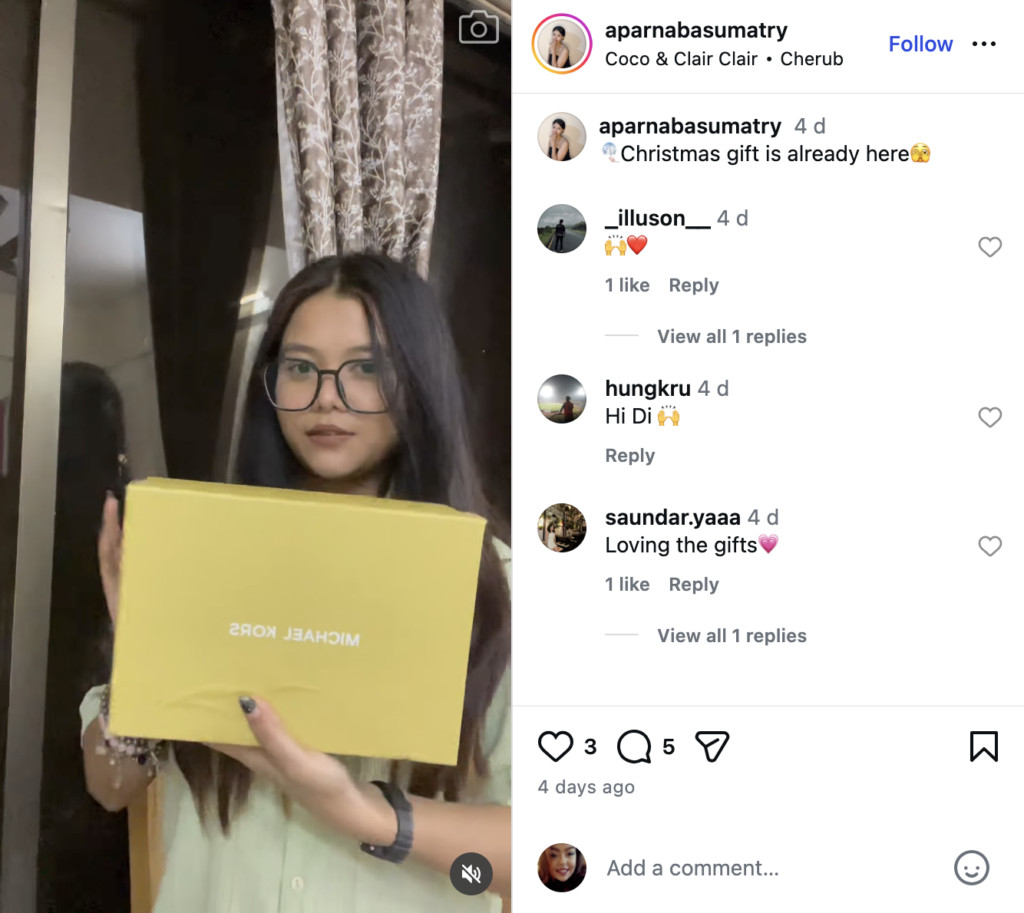
Social influence, when it builds in the right way, can turn a product from a simple idea into a holiday must-have. Luxury brands rely on that momentum because it strengthens both the desire and the sense of belonging around the purchase.
Maintaining Brand Integrity Amid Holiday Commercial Pressure
The holidays bring a spike in demand, but they also bring a kind of pressure that can push luxury brands into territory that doesn’t quite fit them. Heavy discounts might drive quick sales, but they chip away at something much harder to rebuild: the sense of exclusivity.
Why discounts work against luxury
Luxury buyers aren’t looking for bargains. They’re looking for value expressed through craftsmanship, rarity, and experience. When prices drop too aggressively, the message shifts. It tells the customer the product can be marked down at will, which weakens the idea of long-term worth.
A few things usually happen when luxury brands discount too deeply:
- The product feels less rare
- Loyal buyers question why they paid full price
- The brand starts to resemble premium or mid-market retailers
- Margin gains in the short term create perception issues later
In luxury, perception is currency. You can’t trade too much of it away.
Better strategies that protect brand equity
Holiday promotions don’t have to rely on price cuts. Many brands choose alternatives that feel much more aligned with a premium position. For example:
- Value-added bundlesthat build on the core product
- Exclusive holiday sets that won’t appear again
- Seasonal packaging that adds meaning without touching the price
- Limited editionsreleased only for a short window
- Early access for loyal customers rather than broad reductions
- Small experiential add-ons,such as engraving, personal notes, and upgraded wrapping
These options keep the price stable while making the offer feel special.
The balance luxury brands must strike
Revenue targets don’t disappear in December, but neither does the need to stay credible. Luxury brands walk a narrow line: grow sales without diluting the story that makes the product desirable in the first place.
Some brands hold firm with no discounts at all. Others use controlled incentives that reward loyal customers without rewriting the brand’s positioning for everyone else. What matters is consistency. Buyers notice when a brand stays true to itself, and they notice just as quickly when it doesn’t.
Maintaining integrity during the holidays is less about avoiding every promotion and more about choosing the ones that respect the brand’s identity. That balance keeps the prestige intact while still giving customers something that feels worth the holiday moment.
Common Mistakes Luxury Brands Make During the Holiday Season
- Overusing discounts– This weakens perceived exclusivity.
- Crowded or confusing navigation– Customers expect a clear route to premium items.
- Generic personalisation– Surface-level recommendations feel impersonal.
- Slow fulfilment or unclear delivery info– Directly damages luxury trust.
- Inconsistent imagery or design– Breaks the visual coherence that luxury customers look for.
- Weak storytelling– Misses the emotional layer customers expect during gifting season.
Where Holiday Luxury Experiences Truly Stand Out
The holiday season doesn’t just increase demand: it sharpens expectations across every part of the luxury journey. Personalisation feels more important, customer support carries more weight, storytelling becomes richer, and delivery has to operate with near-perfect consistency. Each touchpoint grows in significance because the shopper is looking for more than convenience. They’re looking for care.
What makes a brand succeed at this level isn’t one tactic. It’s the way everything works together. Design, service, fulfilment, and narrative need to feel as if they belong to the same world. When they do, the experience feels premium without needing to say it outright.
Luxury customers remember how a brand made them feel during a busy season. If the interaction feels personal and deliberate, the relationship deepens. If it feels transactional, even the best product can lose its impact. The brands that stand out are the ones that create small emotional moments: the kind that stay with the customer long after the holidays are over.
Key Takeaways
- Luxury expectations rise sharply during the holidays.
- Personalisation, exclusivity, and service quality influence buying decisions.
- Storytelling and presentation increase perceived value.
- Reliable logistics and concierge support shape customer confidence.
- Consistency across all touchpoints determines whether a brand feels truly premium.



Subscribe To Us
Contributors
Categories

0.Comments